What actually sets the price
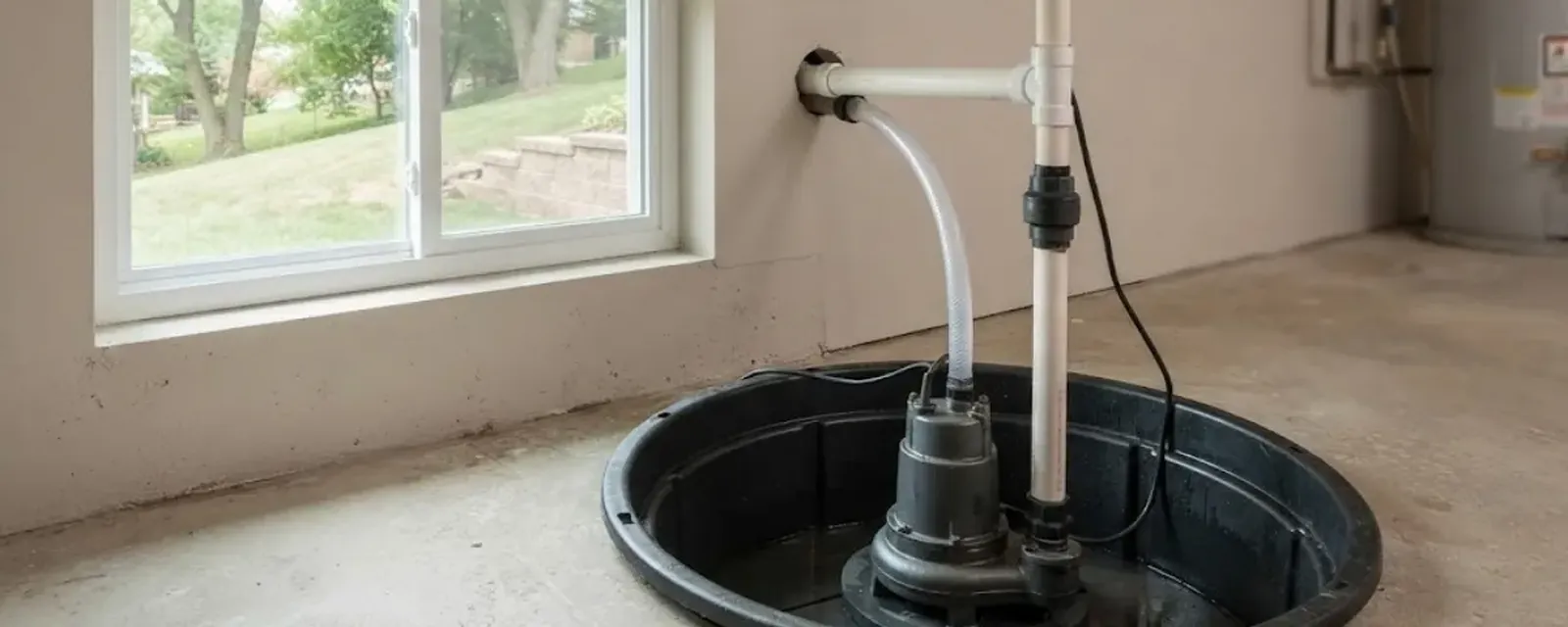
A sump system is a hole, a pump, a pipe and a power source. Each of those four parts can be simple or complicated, and the total moves with the hardest one. A pump that drops into an existing pit is an afternoon job. A pit that has to be cut through a basement slab is not.
Labor and access matter as much as parts. A finished basement with tight stairs takes longer than an open utility corner. Concrete breaking, dust control and hauling out the old slab pieces all show up as time on the invoice.
Water volume matters too. A basement that sees an inch of seepage once every few springs needs less pump than one that floods after every long rain. Your plumber should ask how often the pit runs before recommending horsepower.
How the price compares by job
This table compares jobs by how much work each one involves, not by dollars. Your house, the access and the pump you pick decide the final number, so use it to spot an estimate that leaves out a whole line of work.
| Job | What it covers | How the price compares |
|---|---|---|
| Replace an existing pump | Pull the old pump, fit a new one, new check valve, test run | Smallest of the three, since the pit already exists |
| New pit, pump and discharge | Cut the slab, set the basin, install the pump, run the discharge pipe | Largest, because of slab cutting and a new discharge run |
| Battery backup add-on | Second pump or backup unit, battery and charger | Added on top of either job above |
| Discharge line changes | Longer run, new exit point or frost protection | Depends on distance and access |
| Dedicated outlet or GFCI | Electrician work if no suitable circuit exists | Small if a circuit exists, larger if an electrician must add one |
These are comparisons, not quotes. The real price changes with materials, access and the season.
Submersible or pedestal pump
The pump type is the biggest choice you control. Both work. They suit different pits and different budgets.
Submersible pump
- Sits inside the pit, under water
- Quieter, because the water muffles the motor
- Costs more up front and usually lasts longer
- Better for a finished basement or a covered pit
Pedestal pump
- Motor sits above the pit on a stem
- Louder, and the motor is visible
- Costs less and is easier to service
- Needs a narrow, deep pit and open headroom
If you cannot decide, ask your plumber which one fits the pit you already have. Changing pump type sometimes means changing the basin, and that changes the price.
Six cost factors to ask about
How a typical install goes
- 1
Look at the pit
Your plumber checks the basin, the check valve, the discharge route and the outlet before suggesting anything.
- 2
Pick the pump and backup
You choose pump type and decide on battery or water-powered backup based on how the basement has behaved.
- 3
Set the system
The old pump comes out or the slab is cut. The basin, pump, check valve and discharge pipe go in.
- 4
Test and explain
Fill the pit with a hose until the float trips, watch the water leave the house, and learn how to test it yourself.
Ask for the test run in person. A pump that has never moved water is only a guess.
Water in the basement right now?
Pull valuables up off the floor and call the 24/7 line. We can talk through what you are seeing.
Melrose note: the sewer system and the permit desk
Melrose says it began working on infiltration and inflow in 2016, when it ran a citywide flow metering program with 30 meters for 10 weeks. The city has 74 miles of sewer mains, and about 57% of them have been camera inspected. The city also reports lining work and manhole repairs.
What that means for you: sewer mains and sump pits are different systems, but the city has put more than $9 million into reducing extra clean water getting into its sewers. Before you decide where a pump discharges, ask your plumber to confirm the rules with the city. Melrose's code has a chapter on water, sewers and drains, and it includes a section on separating surface water from wastewater.
Plumbing permits go through the city's online permit portal at Inspectional Services in City Hall. The city says staff review can take 2 to 3 weeks depending on volume, so raise permits at the start of the job and ask whether your work needs one.
Source type: city website
Questions to ask before you hire
- Is the price for the pump only, or the whole system? Written estimates should separate pit, pump, backup, discharge and electrical.
- What happens to the old pump and slab pieces? Haul-away should be listed, not assumed.
- Where does the discharge exit, and is that allowed? A good plumber checks before the pipe goes in.
- Does the work need a permit, and who pulls it? Licensed professionals apply for plumbing permits in Melrose.
- What does the backup run on, and for how long? Ask for run time at your typical pump cycle, not a brochure number.
When a sump pump is not the real problem
Some wet basements are not groundwater at all. A cracked drain line or a failing sewer lateral can push water through a floor drain. If your pit stays dry and the water arrives near a floor drain, have the lateral looked at through sewer line repair before you spend on a new pump.
Homeowners everywhere ask whether the cheapest pump is the right pump, and the answer is almost always to size it to the water, not the budget. If you want the system itself explained in detail, our sump pump service page covers pit, pump and backup options. We also serve Malden and Stoneham.
Questions we hear
The price depends on the pump you choose, the check valve condition and access. A replacement into an existing pit is the smaller job, because no one has to cut the slab. Ask for a written estimate that separates the pump, the check valve and the labor.
It depends on the scope. Plumbing permits in Melrose go through Inspectional Services' online portal, and sub-trade permits are issued to licensed professionals. Ask your plumber to confirm whether your job needs one before work starts.
If your basement has flooded during storms, yes. Storms are also when the power goes out, so the main pump and its backup often fail at the same moment. A backup is cheaper than the damage it prevents.
Plan on roughly 7 to 10 years for a typical home pump, and less if it runs constantly. Test it each spring by filling the pit with a bucket of water until the float lifts.
Do not assume you can. Melrose has been working on clean water entering its sewer system, and its code has a section on clean water discharge to sanitary sewers. Confirm the rule with the city before routing anything.
Common causes are a failed check valve, a frozen or blocked discharge line, or an airlocked pump. Turn it off, check the pipe outside, and call a plumber if the pit keeps rising.