Seven warning signs
Each sign tells you something different about where the blockage sits.
Slow drain in one fixture
A single sink or tub that drains slowly usually has hair, soap or grease in its own trap or branch line.
Slow drains in several fixtures
When the shower, sink and toilet all slow down together, suspect the main line.
Gurgling sounds
Air pushed past a blockage makes gurgles, often in a nearby fixture after a flush.
Sewage smell
A persistent odor can mean a dry trap, a vent problem or a partial sewer blockage.
Water backing up elsewhere
Flush the toilet and see water in the tub or floor drain? The main line is blocked.
Repeat clogs
A drain that clogs again within weeks has buildup the first cleaning did not remove.
Wet spots in the yard
Damp ground over the sewer line can mean a break, a root intrusion or a failed joint.
Local clog or main line
| What you notice | Likely location | Next step |
|---|---|---|
| One sink slow | Fixture trap or branch | Plunge, clean the trap, snake if needed |
| Tub gurgles when the toilet flushes | Main line or vent | Stop using water and call |
| Basement floor drain bubbles | Main line | Call right away |
| Kitchen sink slow, others fine | Grease buildup in kitchen line | Cable or hydro-jetting |
| Everything slow, all floors | Main line | Camera inspection, then cleaning |
Water coming up through a floor drain?
Stop running water and call the 24/7 line. A blocked main line gets worse with every flush.
What to try before you call
- 1
Use a plunger
Seal the overflow with a wet rag, then plunge firmly for 20 to 30 seconds.
- 2
Clear the stopper and trap
Pull hair from the stopper, then clean the P-trap under the sink with a bucket below.
- 3
Flush with hot tap water
For soap and grease buildup, run hot water for a few minutes. Do not use boiling water on PVC.
- 4
Try a hand auger
A small drain snake reaches a few feet into a branch line.
- 5
Stop there
If two or more fixtures are affected, or water backs up, stop and call.
Skip chemical drain openers. They can damage pipes, they do not cut through tree roots, and they are hazardous to the plumber who works on the line afterward.
Melrose note: city mains and your own pipe
The city maintains its sewer system, and Melrose says it has 74 miles of sewer mains. About 57% of them have been camera inspected, and the city has also lined more than 50,000 linear feet of pipe. Those mains sit in the street.
Your own pipe, from the house to the connection, is a separate question. Who is responsible for what depends on where the problem sits and on your address, so confirm the split with the city before you pay anyone to dig, and tell them what you have already tried. A clog in the street main, if confirmed, is a city matter.
Source type: city website
Snaking or hydro-jetting
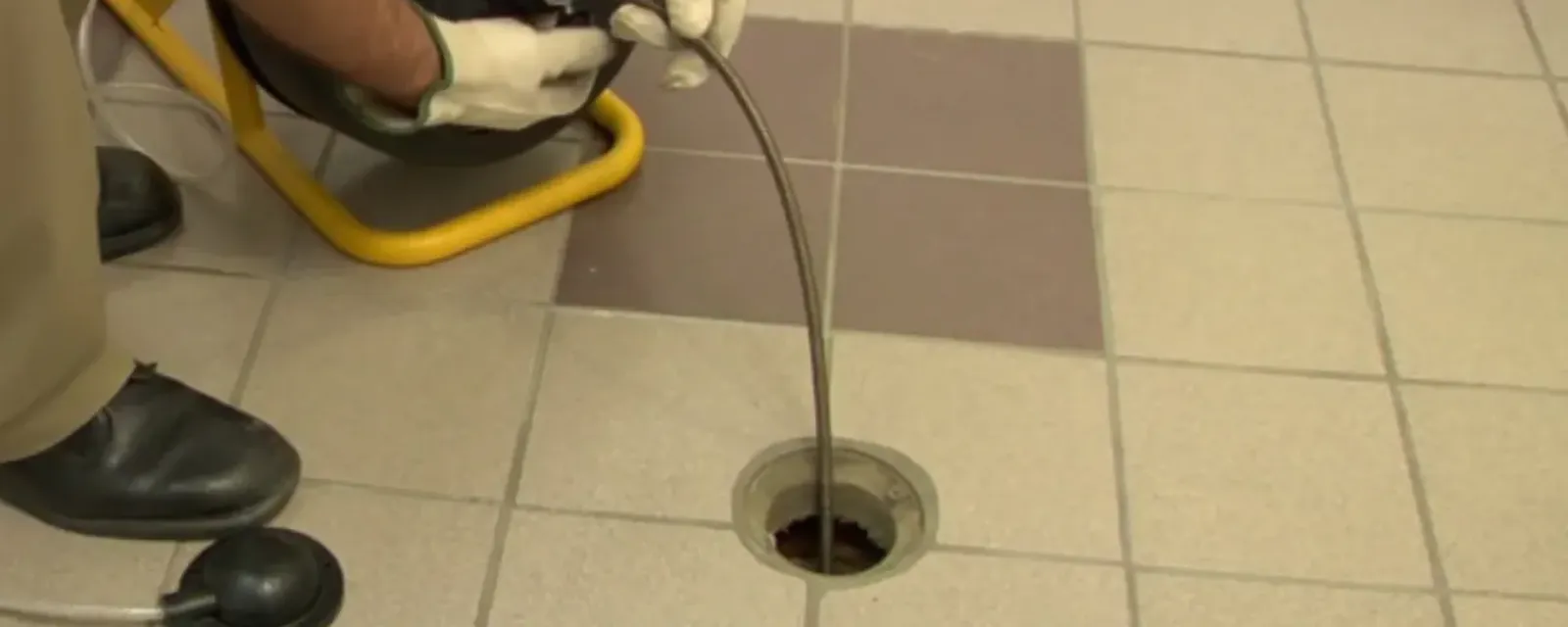
Cable or snake
- Punches a hole through the clog
- Good for hair, paper and simple blockages
- Costs less and is faster
- May leave grease on the pipe walls
Hydro-jetting
- Scours the pipe with high-pressure water
- Removes grease, scale and light root growth
- Costs more
- Suited to repeat clogs and main lines
If a drain clogs twice in a season, jetting is usually the better value. Read about hydro-jetting and how a camera inspection fits in.
When it is the main line
The main line carries everything from the house to the street. When it blocks, the lowest drain in the house gives first: a basement floor drain, a shower or a laundry standpipe. Water backing out of those spots means stop using water at once.
Roots are a common cause in older sewer pipes. Fine roots enter through joints, catch paper and grease, and build a mat that slows flow. Clearing the roots helps for a time, but a camera shows whether the pipe is cracked or offset.
For routine clearing, see our drain cleaning service. Aging cast iron and clay lines can clog in older homes anywhere, and we also serve Malden and Saugus.
Habits that keep drains open
- Use a hair catcher. Hair is the leading cause of shower clogs.
- Keep grease out of the kitchen sink. Wipe pans before washing, and bin the grease.
- Flush only toilet paper. Wipes labeled flushable still clog lines.
- Run hot water after dishes. It moves loose fat along before it sets.
- Schedule a camera check. Older homes benefit from a look before a backup.
What a plumber does when you call
A plumber starts by asking which fixtures are affected, how long it has been going on and whether anything else changed. Those answers narrow the search before any tool comes out.
For a branch clog, a cable machine usually clears it in one visit. For a main line, the plumber may run a camera to see the pipe condition, find the blockage and decide between cleaning and jetting. The camera also shows whether the pipe is cracked, sagging or full of roots.
Ask to see the video. It turns a vague diagnosis into something you can judge for yourself, and it helps if you later need a repair estimate.
Why drains clog in older homes
Older houses often have cast iron or clay pipe with rough inner walls. Grease and scale catch on those walls and narrow the pipe a little more every year. Add a few roots through joints and the line slows long before it stops.
Fixtures change too. A remodeled kitchen with a new disposal sends more food waste down the same old line. The pipe did not change, but the load did, and the first sign is usually a slow drain that keeps coming back.
If you have lived with a slow drain for months, treat it as a sign, not a quirk. Early cleaning is cheaper and easier than clearing a full blockage at night.
What to do while you wait for a plumber
If water is backing up, stop using the fixtures that feed the line. Do not flush, run the washer or take a shower, because every gallon you add has nowhere to go. Move rugs and boxes off the floor near the lowest drain.
Note which fixtures are affected and what you already tried, and tell the plumber when you call. That detail saves time and often lets them bring the right tool on the first trip.
Questions we hear
There is no fixed schedule. Clean when you see warning signs, or every few years for older homes with a history of roots or grease. Kitchens with heavy use may need it sooner.
One slow sink can wait a day or two. A backup through a floor drain or several fixtures at once should be handled the same day. Stop using water until it is cleared.
It depends on where the blockage sits. The city maintains its mains in the street. Who is responsible for the pipe on your property depends on city rules, so confirm with the city before you pay for digging.
They can dissolve soft clogs, but they can also damage old pipes and harm anyone who handles the water afterward. A plunger or snake is the safer first try.
Gurgling means air is trapped behind water, from a partial clog or a blocked vent. If it happens in more than one fixture, call about the main line.
Yes. Roots enter through small joints and cracks in older pipe. A camera inspection shows where they entered, and cutting or jetting clears them.