The usual suspects, room by room
Drains clog for different reasons in different parts of the house.
Kitchen sink
Grease and cooking oil cool inside the pipe and trap food scraps. Coffee grounds and starchy foods add to the paste. The result is a slow sink that smells.
Bathroom sink and tub
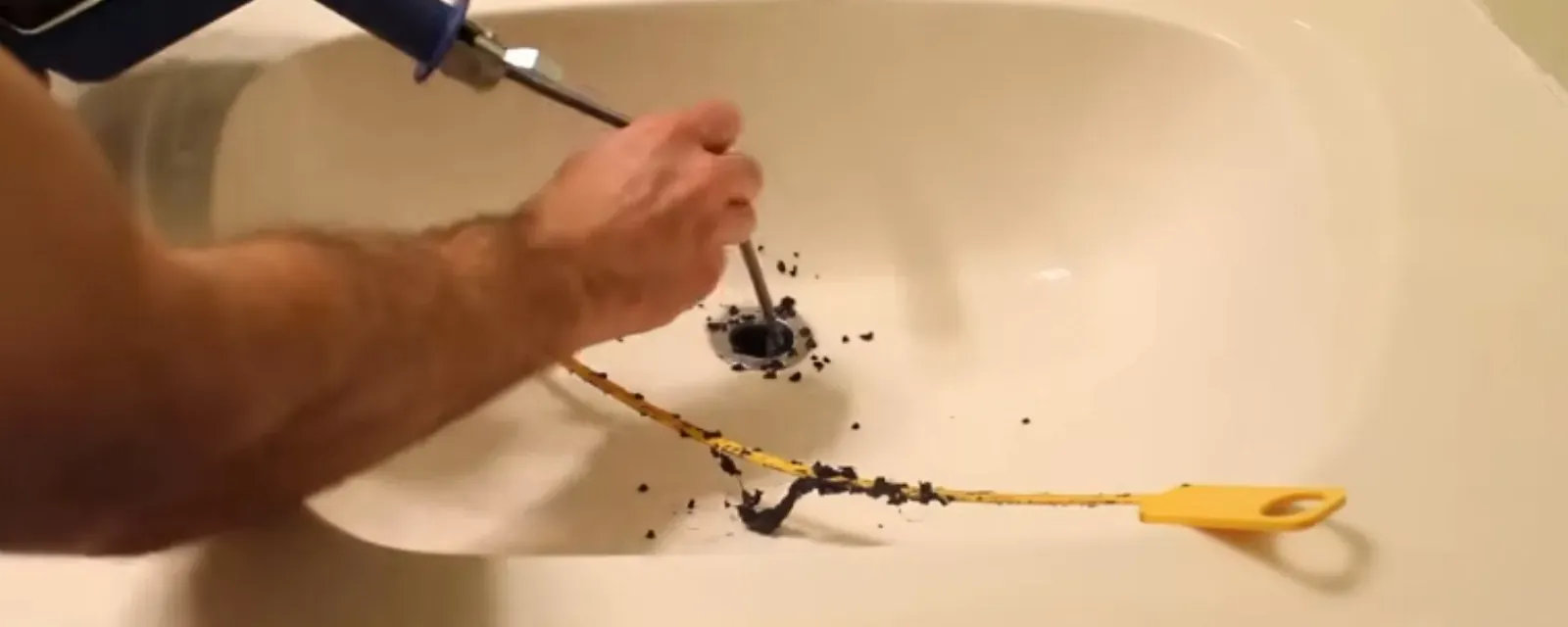
Hair wraps around the pop-up stopper or sink linkage and mixes with soap scum. Toothpaste and shaving residue add to it. Clogs form close to the drain opening.
Toilet
Too much paper, or products labeled flushable that do not break down. Wipes, cotton swabs and feminine products are the biggest offenders.
Laundry
Lint and detergent residue build up in the standpipe. A washer that drains slowly can overflow the standpipe.
Main line
Roots, offset joints, a sagging section of pipe, or a heavy wipe clog. The blockage is further from the house, so more than one fixture is affected.
Think about when the symptoms began. A clog that follows a big cooking day is probably grease. A clog that appears after heavy rain or on a very old house may be the main line.
Branch clog or main line: how to tell
This table is the quickest diagnostic you can do without tools.
| What you see | Likely location | What to do first |
|---|---|---|
| One sink drains slowly | Branch line or trap at that fixture | Clear the stopper and trap, then try a plunger |
| Toilet gurgles when a sink drains | Shared branch or main line | Stop using water, call for a drain inspection |
| Tub backs up when washer drains | Main line or low shared drain | Stop laundry, call for service |
| Basement floor drain bubbles | Main line | Do not flush, call for service |
| Several fixtures slow at once | Main line | Call for cleaning and camera check |
| Problem returns every few months | Roots or damaged pipe | Ask for a camera inspection |
When more than one drain acts up at the same time, the cause is almost never the fixture itself.
Why wipes, roots and old pipe are different from grease
Grease and hair are maintenance problems. You can prevent most of them with a strainer, a kitchen habit change and an occasional hot flush. Wipes and roots are structural. They keep coming back until you fix the cause.
Wipes do not break down like toilet paper. They catch on rough pipe walls and each other, then build a plug that holds water and solids behind it. The label "flushable" does not make them safe for old pipe.
Roots enter through tiny joint gaps in clay, cast iron or older fiber pipe. They grow into a mat that catches debris. A cable can cut the roots back, but they regrow unless the joint is repaired or lined. Pitch matters as well. A line with a belly, which is a low spot where water sits, will hold solids at that spot no matter how often it is cleaned.
Drain backing up now?
Stop running water and tell dispatch which fixtures are affected. The pattern tells us whether to bring a cable, a jetter or a camera.
What to try before you call
These steps are safe and sometimes enough.
- Stop adding water. Do not run the dishwasher or washer while a drain is slow. Extra flow pushes the clog and can overflow a fixture.
- Clear the stopper or strainer. Pull hair and gunk out by hand with gloves or a bent wire.
- Use a plunger correctly. Block the overflow opening with a wet rag, cover the drain with water, and push straight up and down.
- Check the trap. Put a bucket under the P-trap, unscrew the slip nuts, and clean it out.
- Skip the chemicals. Caustic drain cleaners can damage old pipe and are dangerous for the next person who opens the trap. They can also harm a plumber's skin and eyes.
If a plunger and the trap do not fix it, or if a second fixture starts acting up, stop and call. More effort at that point usually just moves the clog.
What Melrose has published about its sewer mains
The City of Melrose reports 74 miles of sewer mains. About 57 percent of them, plus 500 manholes, have been inspected with cameras, and the city has lined more than 50,000 linear feet of pipe, replaced 1,200 linear feet and rehabilitated 19 manholes. The work targets water that leaks into the system from the ground or from connections.
That work is on the city side of the system. The pipe running from your house to the main is separate, and the city code has a section titled Separate service pipes and their upkeep, so ask the city who is responsible for which part. If a plumber's camera shows damage past your property line, ask the city how to report it.
Source type: city website
The pattern that tells a plumber the most
Which fixtures fail first and which one gurgles is the best clue. The lowest fixture in the house, often a basement floor drain or first-floor tub, is where a main line backup shows up first. If you can tell a plumber that, they know to bring a longer cable or a camera before they arrive.
Getting a drain cleared and keeping it clear
For a branch clog, drain cleaning with a cable or a small auger usually restores flow. For a main line with roots, grease or wipes packed deep, sewer line cleaning uses a bigger machine or a water jet, and a camera shows what is left.
A few habits make a big difference: strain the sink, wipe pans before washing, and keep wipes out of the toilet. These habits apply in any older house, and we also serve Stoneham and Saugus.
Questions we hear
The city maintains its mains. Who is responsible for the pipe from your house to the connection depends on city rules. The Melrose Code has a section titled Separate service pipes and their upkeep, so ask the city to confirm where the line of responsibility sits for your address.
Repeat clogs usually mean something structural: roots in a joint, a belly in the pipe, or a rough surface that catches debris. A camera inspection shows which one, so the fix targets the cause.
Boiling water can melt fat for a moment, but it often moves it further down where it cools and sticks again. Do not pour boiling water into porcelain or into old plastic pipe. Hot tap water and dish soap are a safer maintenance flush.
Yes, in systems where groundwater or storm water enters the sewer. The city says it has worked since 2016 on that problem. If backups happen mainly during storms, tell the plumber, since it helps separate a house line problem from a system-wide one.
They are not safe for most home plumbing. They do not break apart like paper and they tangle with other debris. Throw them in the trash.
Slow drains that return after cleaning, gurgling, and a pattern of clogs in spring and summer are typical signs. A camera inspection shows the roots directly.